How to Effectively Use FINRA Broker Check for Investment Decisions
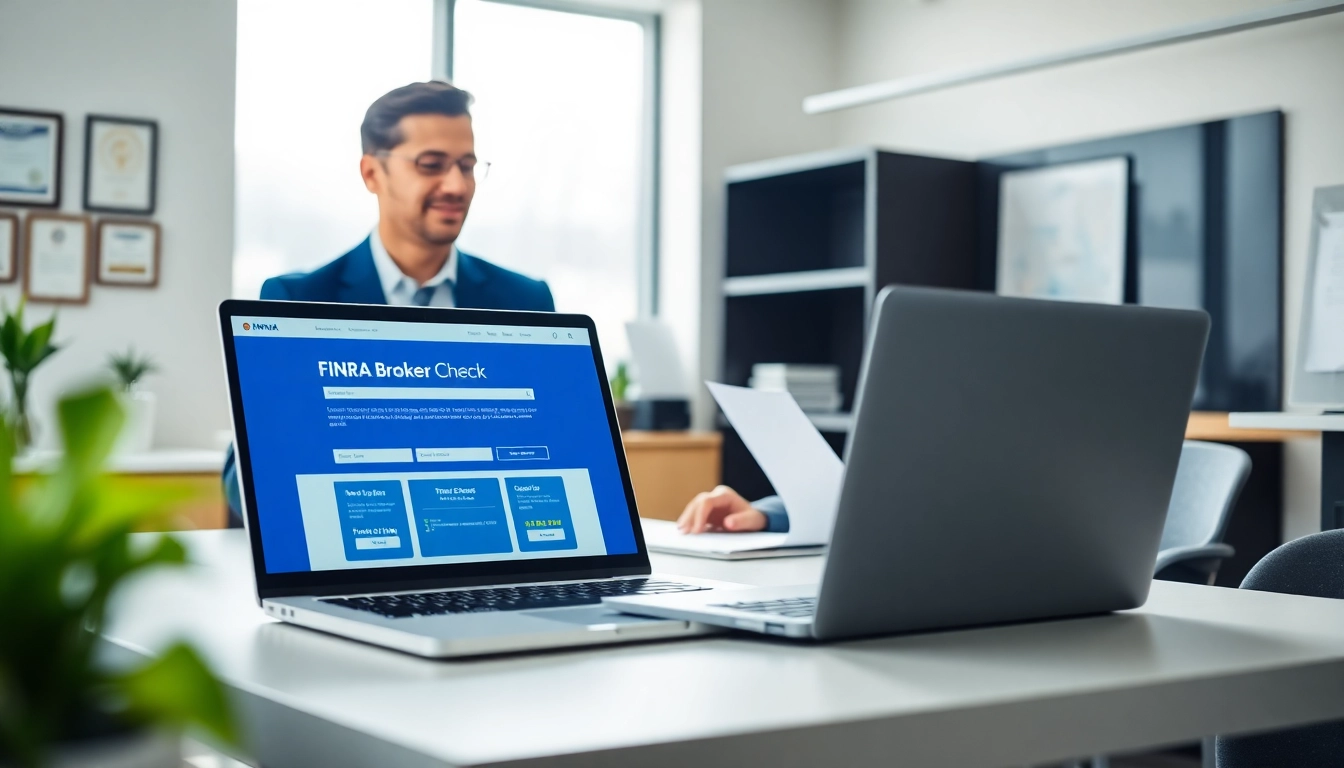
Understanding FINRA Broker Check
What is FINRA Broker Check?
FINRA Broker Check is a free, public resource provided by the Financial Industry Regulatory Authority (FINRA) designed to help investors make informed decisions when selecting a broker or investment advisor. This tool compiles information about the employment history, licensing, and regulatory actions of brokers and firms, thereby revealing critical insights into their professional background. By utilizing FINRA Broker Check, investors can verify the qualifications and track record of potential financial professionals prior to engaging in investment activities.
Importance of Using Broker Check
Broker Check is vital for several reasons, primarily due to the complexities involved in the investment industry. Understanding a broker’s history can significantly influence your investment outcomes. Financial investments often come with substantial risks, making it crucial to work with licensed and trustworthy professionals. By utilizing Broker Check, you mitigate the risks associated with fraud, incompetence, or poor advisory services. It not only offers peace of mind but also empowers you as an investor, allowing you to ask informed questions and conduct your financial affairs with confidence.
How Broker Check Works
Broker Check operates through a user-friendly online search platform. Users can search for brokers or firms via various criteria, including name, registration number, or the employing firm. Once the search is completed, users encounter detailed reports listing essential information such as:
- Professional employment history
- Regulatory licenses and certifications
- Disciplinary actions and complaints
- Criminal background and ongoing investigations
This comprehensive overview helps users make sound decisions regarding which financial professionals to engage, ensuring that they are backed by credible qualifications and a clean compliance record.
Accessing FINRA Broker Check
Finding the Right Resource Online
Accessing FINRA Broker Check is straightforward. Investors can visit the official website at BrokerCheck.FINRA.org to begin their search. The platform is freely accessible to everyone and does not necessitate personal details or registration to search for brokers or firms. Whether you’re a seasoned investor or a novice, navigating this tool doesn’t require extensive technical expertise, making it user-friendly for all.
Navigation Tips for Broker Check
To maximize the efficacy of Broker Check, here are some handy navigation tips:
- Use Specific Names: When searching for an individual broker or advisor, it is beneficial to input their full name, as this narrows down the results and minimizes confusion about similarly named individuals.
- Filter by State: If you know where the broker operates, you can filter results by state to ensure you’re viewing relevant local professionals.
- Check Licensing Status: Pay close attention to the licenses listed in the report to confirm that the broker can legally operate in your state.
- Look for Registration Numbers: Ensure that the registration number corresponds accurate with the broker’s current status, verifying their legitimacy.
Common Issues When Accessing Information
While using Broker Check is generally hassle-free, users may encounter some common pitfalls. Here are solutions to these challenges:
- Missing Information: Occasionally, broker information may not display entirely due to recent changes in their registration or updates in the database. In such cases, do not hesitate to contact FINRA for assistance or further verification.
- Similar Names: If your search returns results for multiple brokers with similar names, use filters or check registration numbers to identify the correct individual or firm.
- Technical Issues: If the site experiences downtime or technical errors, trying again later or refreshing your browser can often resolve the issue.
Interpreting Broker Check Reports
Key Elements of a Broker Check Report
Understanding how to read a Broker Check report is crucial. The key elements typically include:
- Summary Information: This section features basic details, such as name, employer, and registration status.
- Professional History: A detailed accounting of the broker’s employment history allows you to see where they have worked historically in the financial industry.
- Disciplinary Actions: This area outlines any regulatory actions, violations, or customer disputes against the broker, which is significant for evaluating their trustworthiness.
- Criminal Convictions: Here, any past criminal convictions will be listed, shining a light on their legal standing.
- Customer Reviews: This optional section can contain feedback from clients, giving insight into the broker’s practices.
Understanding Broker Ratings and Reviews
Broker ratings and reviews can provide insight into the reputation of a broker. While some brokers may receive high customer reviews, it is essential to differentiate between personal anecdotal experiences and verified performance. Consider both qualitative and quantitative data—ratings, number of reviews, and the context behind user comments—to arrive at a balanced perspective. Always cross-reference Broker Check feedback with other reputable review sources.
What to Look for in Compliance and Violations
When analyzing compliance records, focus on the following factors:
- Nature of Violations: Determine whether the violations are minor (e.g., paperwork issues) or severe (e.g., fraud). The severity of regulatory actions can heavily influence their capability to serve clients effectively.
- Resolution Status: Check if the violations were resolved satisfactorily, indicating a broker’s ability to learn from past mistakes.
- Consistency: A pattern of complaints or repeated violations highlights potential red flags. It’s often safer to avoid brokers with a consistent record of complaints.
Using FINRA Broker Check in Your Decision-Making
Incorporating Broker Check Insights into Your Strategy
To fully leverage the insights obtained from Broker Check, integrate the information into your decision-making strategy. Start by creating a checklist of factors that are crucial to you, such as the broker’s experience level in your specific type of investment. Consider how you will use the data gathered to formulate your investment roadmap, not just in selecting a broker but also in guiding your investment choices overall. Document your research and findings for future reference as you build a long-term relationship with your financial advisor.
Case Studies of Informed Decisions
Consider a hypothetical case where an investor, Sarah, was considering two brokers, Broker A and Broker B. By using Broker Check, she discovered that Broker A had multiple disclosures of customer disputes and disciplinary actions for fraud, while Broker B had a clean record with positive reviews. Sarah wisely chose Broker B, aligning her investment strategies accordingly. This case highlights how Broker Check can elevate informed decision-making and safeguard investor interests.
Evaluating Brokers: A Step-by-Step Guide
To effectively evaluate brokers using FINRA Broker Check, follow these steps:
- Identify Potential Brokers: List the brokers you are considering.
- Conduct Broker Check Searches: Use their names or registration numbers to pull up their reports.
- Review Their History: Analyze their professional background, customer complaints, and any violations.
- Compare Findings: Take notes to highlight key differences between the brokers.
- Make an Informed Decision: Choose the broker that best matches your investment philosophy and needs.
Additional Resources and Best Practices
Complementary Tools for Investor Research
In addition to FINRA Broker Check, other tools exist to help investors further their research and understanding. Some useful resources include:
- SEC’s Investment Adviser Public Disclosure (IAPD): Good for checking investment advisers’ compliance and backgrounds.
- Consumer Financial Protection Bureau (CFPB): Offers insights into consumer rights and protections.
Using multiple resources ensures a holistic approach to your research, providing a broader picture of a potential broker’s capabilities and history.
Best Practices for Ongoing Monitoring
Once you’ve selected a broker, it is equally crucial to maintain ongoing diligence. Implement practices such as:
- Periodic Reviews: Regularly revisit Broker Check and other resources to update yourself on any changes to your broker’s status.
- Feedback and Communication: Keep open communication with your broker, providing feedback and holding them accountable for their actions.
- Staying Educated: Continuously educate yourself about the financial market and emerging regulatory changes influencing investment practices.
Staying Informed About Broker Regulations
Keeping abreast of changes in regulations is vital in a constantly evolving financial environment. Subscribe to updates from the FINRA website and mainstream financial news to remain informed about rules that could potentially impact your investments and dealings with your broker. Consider following finance-related blogs and news outlets for expert insights and tips to stay ahead.



Post Comment