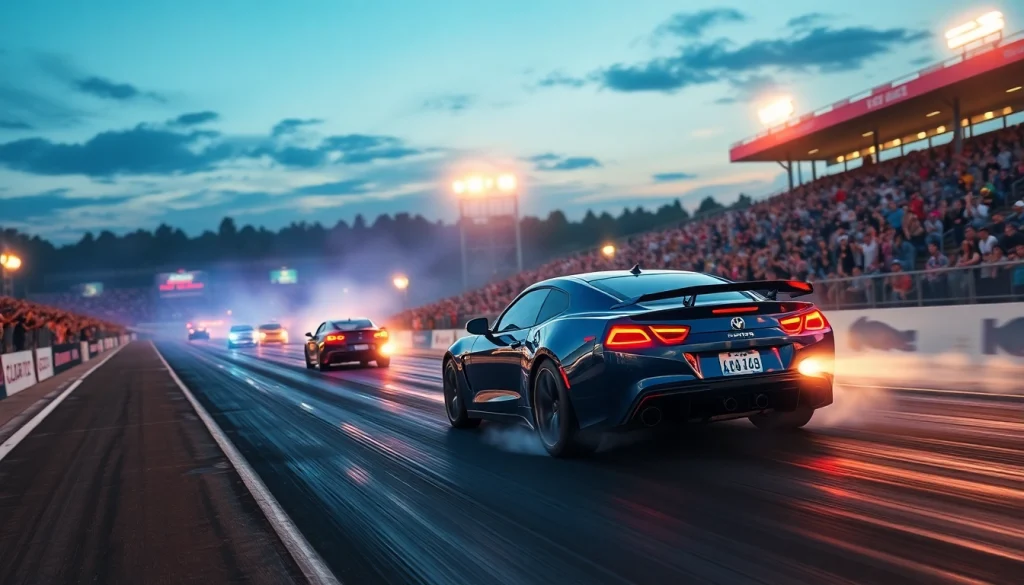
The Thrill of Drag Racing Events
Drag racing is more than just a contest of speed; it’s a culture that embodies the spirit of competition, innovation, and community. Fans and participants alike are drawn to the adrenaline-pumping excitement of drag racing events, where tuned engines roar and rubber meets the asphalt. If you’re looking to dive into the vibrant world of Drag Racing Events, you’re in for an exhilarating experience.
What Are Drag Racing Events?
Drag racing events are competitive racing contests where two vehicles, typically high-performance cars or motorcycles, race from a standing start in a straight line over a fixed distance, traditionally a quarter-mile. The event is not just a test of speed; it’s a showcase of engineering prowess and driver skill. Races occur on specialized tracks designed to maximize performance and safety. Each race is strictly timed, and the winner is determined by who crosses the finish line first.
Types of Drag Racing Events
The drag racing landscape is diverse, with various types of events catering to different audiences and participants. These include:
- Professional Racing: Organized by bodies such as the NHRA (National Hot Rod Association) and IHRA (International Hot Rod Association), professional events feature top drivers and teams competing for national titles.
- Amateur Events: Local drag strips often host races for amateur racers, providing an accessible entry point for those looking to experience the thrill of competitive racing without the pressures of professional leagues.
- Grudge Races: These informal events are characterized by head-to-head challenges between drivers. The outcome often depends on personal rivalries rather than formal records.
- Bracket Racing: This format levels the playing field by pairing cars based on their predicted performance rather than outright speed, allowing for skillful driving to shine.
- Nostalgia Events: Celebrating the history of drag racing, these events often feature classic cars and vintage racing styles, appealing to fans of all ages.
Key Players in the Drag Racing Community
The drag racing community comprises numerous enthusiasts, including professional drivers, amateur racers, crew members, sponsors, and fans who come together to celebrate their passion. Notable figures include championships-winning drivers like John Force and Erica Enders, as well as influential teams and organizations that contribute to the sport’s growth and visibility.
Sponsors and automotive brands also play a crucial role, providing funding and resources and helping to promote events. The community thrives on shared experiences, fostering friendships and rivalries that enhance the overall event atmosphere.
Upcoming Drag Racing Events to Watch
The 2025 drag racing calendar is packed with exciting events that cater to all types of fans—from casual observers to dedicated followers of the sport. Whether you’re interested in professional races or local competitions, the following sections detail some noteworthy upcoming events:
Major National Events
National events are the pinnacle of drag racing, drawing the best drivers and teams from across the country. Events such as the Mission Foods Drag Racing Series and the NHRA FallNationals feature intense competition and high-speed action, with fans treated to the latest in racing technology and customized vehicles. Attending one of these events provides an unparalleled experience, complete with vendor areas, fan zones, and opportunities for meet-and-greets with racers.
Local and Regional Competitions
Local tracks often schedule their series of events, ranging from friendly neighborhood races to qualifiers for larger competitions. These events are vital in providing grassroots racers with a platform to hone their skills and compete. Many local competitions are open to all vehicle types, encouraging participation from a wide array of automotive enthusiasts. This is particularly significant for those looking to engage with their community and enjoy the sport at a more personal level.
How to Find Events Near You
Finding events is easier than ever with the advent of technology. Many platforms, including dedicated websites, social media groups, and local automotive clubs, provide calendars and announcements for upcoming races. Sites such as the NHRA and IHRA offer comprehensive schedules, while local drag strips often maintain their sites with specifics on regional events and entry details.
How to Prepare for Drag Racing Events
Preparing for drag racing events requires more than just showing up with a fast car. It involves proper planning, understanding the rules, and knowing how to enjoy the event whether you’re a participant or a spectator. Here are some essential pointers:
Essential Gear for Participants
For drivers participating in drag racing events, the right gear is critical for safety and compliance. Key items include:
- Helmet: A high-quality racing helmet is mandatory, designed to withstand high-impact forces.
- Fire Suit: Fire-resistant suits protect drivers from heat and flames during a race, ensuring safety in the event of an accident.
- Racing Gloves and Shoes: These items provide better grip and control while racing and are often made from materials designed to minimize flammability.
- Safety Harness: A five-point harness secures the driver in place, significantly reducing the risk of injury during sudden stops or crashes.
Best Practices for Spectators
For those attending as fans, there are also guidelines to follow to ensure a great experience:
- Arrive Early: Early arrival allows you to explore vendor booths and secure good viewing spots.
- Be Aware of Safety Protocols: Understanding the layout and safety rules of the venue is essential for enjoying the event responsibly.
- Engage with the Community: Take opportunities to meet fellow fans and share your passion, whether through participating in forums, engaging with social media, or in person at the event.
Tips for Engaging with the Community
Building connections within the drag racing community enriches the experience. Joining local clubs or forums can provide insights into upcoming events, tutorials on racing techniques, and opportunities for collaboration on various projects, such as car builds. Community engagement can also happen through social media, where you can share experiences, learn from seasoned racers, and even find mentorship opportunities.
Insights on Drag Racing Event Schedules
The schedules for drag racing events can vary significantly from one organization to another. Understanding how to navigate these schedules is crucial for planning your attendance and ensuring you don’t miss key races.
Understanding Event Timelines
Most drag racing events have carefully structured timelines which include qualifying rounds, eliminations, and finals. It’s important to check the event schedule to know when to arrive for qualifying, as many events may have separate tickets for different rounds.
Events often follow a multi-day format, so enable flexibility in your planning to attend all key moments. For instance, many professional events feature practice runs and qualifying on separate days leading up to the finals, which are the main attractions.
TV Broadcast and Streaming Options
For those unable to attend in person, many drag racing events are broadcast through various television networks or available for streaming online. Outlets such as FS1 often cover professional races, while several platforms provide live streaming options. Some events may also be archived, allowing fans to watch at their convenience.
Checking local listings and subscription services before an event can help you stay updated on potential broadcasts or streaming links.
What to Expect at Upcoming Races
Expect a lively atmosphere filled with energy for both participants and spectators. Aside from the racing, many events feature food vendors, merchandise booths, and fan interaction zones. The anticipation builds as you witness the staging process of the vehicles and the intense focus of the drivers just before they race.
The Future of Drag Racing Events
As the drag racing community continues to grow, so too does its evolution. Understanding the future of drag racing requires consideration of technological advancements, community engagement, and the challenges the sport may face moving forward.
Innovations in Racing Technology
The future of drag racing is poised to be transformed by advancements in technology. Electric drag racing is becoming increasingly popular, with manufacturers exploring electric options, showcasing powerful, eco-friendly alternatives that captivate a new generation of racers. Technologies such as data telemetry provide real-time feedback, helping drivers and teams fine-tune their performance and enhance safety.
Lighter materials and improved aerodynamics in vehicle construction also play a key role in driving performance, allowing racers to achieve faster times than ever before. These innovations not only improve the sport but also stimulate interest among tech enthusiasts.
Community Impact and Growth
The drag racing community is expanding as new enthusiasts continue to join the ranks. Educational programs aimed at teaching young drivers the fundamentals of racing, safety, and vehicle mechanics play a crucial role in fostering interest in the sport. Additionally, drag racing events often raise money for various charitable causes, enhancing their role within the community.
Efforts to make drag racing more accessible, such as promoting family-friendly races and community engagement events, further help to grow the fanbase.
Pitfalls and Challenges for Organizers
While there is significant growth potential, organizers face challenges including funding, track maintenance, and competition from other motorsport events. Rising costs associated with hosting events and ensuring safety can strain budgets. Furthermore, environmental factors and regulatory pressures lead to ongoing discussions about sustainability practices within the sport.
To overcome these challenges, organizers may need to innovate further, such as offering alternative formats that attract new audiences, developing partnerships with sponsors, and prioritizing fan engagement efforts to ensure longevity and relevance in an ever-evolving motorsports landscape.